There is a wealth of advice available online regarding tips for proper oral care.
Unfortunately,
much of it is false or misleading. New developments in healthcare happen each day, and sometimes the messages get crossed. Other dental myths have existed for years, passed down from generations before. Set the record straight with the facts. Even if you think you’re doing right. These five myths could be foiling your goals
White teeth are Healthy teeth
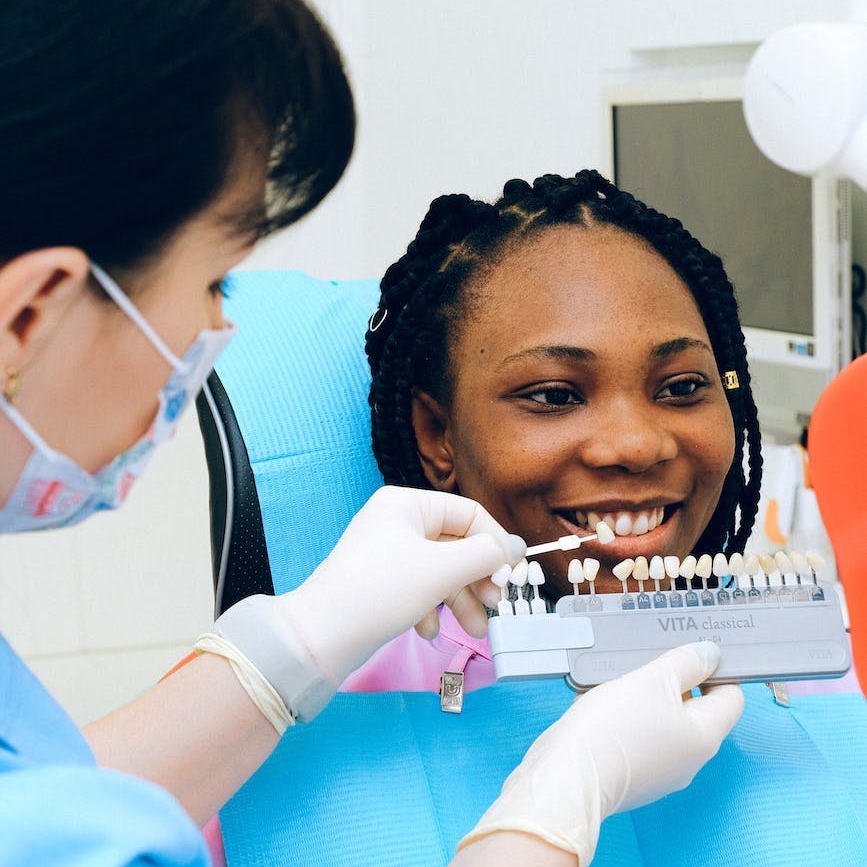
White teeth are often perceived as being a sign of youthfulness, but they don’t necessarily mean that teeth are healthy and strong. While white teeth might not have any visible evidence of tooth decay, some areas are hidden from view and also your gums to be considered; all teeth need healthy gums for support.
Enamel can appear to be bluish-white due to natural translucence, especially at the incisal third of teeth. The dentin beneath is naturally yellow, it has to do with its chemical and structural composition.” This creates a light grey or light yellow color. (However, if your teeth are significantly darker than a light yellow, there may be an underlying cause such as disease, trauma or tooth decay.)
Bleaching is the treatment of choice. Bleaching products can have multiple side effects, the most common being sensitivity to the cold or what’s known as “zingers”—sharp, sporadic pains in the gum area after bleaching. However, the zingers last only a matter of hours before they go away for good. When used as directed, whitening agents and bleaching products do not weaken enamel; however, it can occur when something extremely abrasive is used to scrub the teeth white, like hard toothbrushing. This way you can actually remove a layer of enamel.
Brushing harder Cleans Better
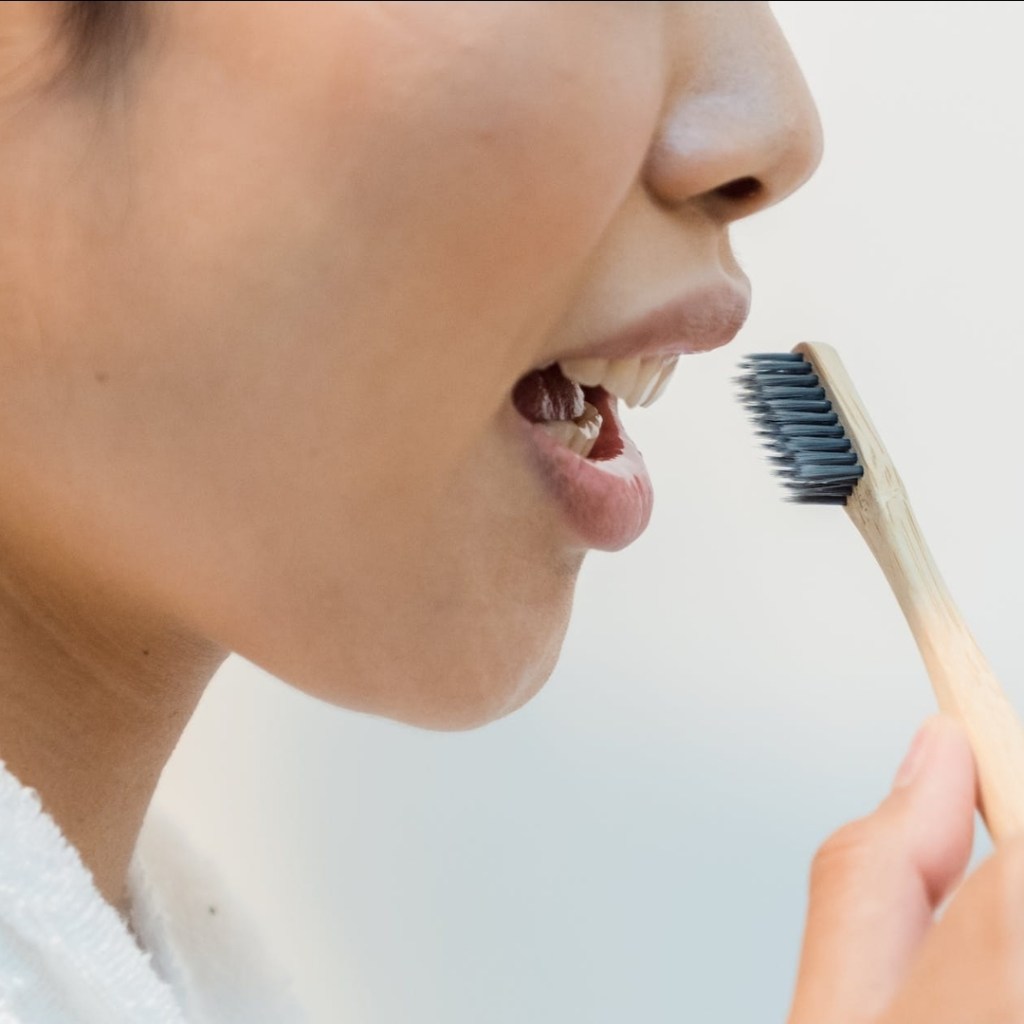
Why harsh brushing hurts your teeth.??? There are numerous reasons why brushing harder actually harms your mouth more than it does good. Some think that if more force is applied to the teeth, the brush remove more plaque, but this is not true. Over-brushing your teeth is very counter-productive for the health of your teeth and your gums.
The primary concern for over-brushing is actually because of the possibility of eroding your tooth enamel. When you harshly brush your teeth, you can actually erode the outer coating of your teeth, which is called your enamel, and leave it prone to cavities. People also may think that a firm toothbrush cleans better than a soft bristle toothbrush which also is not true. These brushes are actually more harmful and pose a larger risk of enamel erosion than soft bristles.
How does over-brushing affect your gums?
People who have plaque build-up on their teeth usually see some type of gingival recession take place and this same effect takes place if the harder brush is used.
Over-brushing your gums can cause them to recede and reduce in size, which could lead to exposing your tooth roots. Not only can this be unsightly, but it can lead to tooth/root sensitivity and cavities in spots you can no longer reach with your toothbrush.
Charcoal toothpaste- Superior
Perhaps you have noticed that there are some new choices when it comes to toothpastes. Charcoal toothpaste is currently one of the biggest trends, found in the toothpaste aisle alongside your old favorites. This trendy beauty ingredient is now available in in commercial face masks and scrubs as well. The whole industry is singing the praises of charcoal. But does it really work?
It is true that activated charcoal in toothpaste may help remove surface stains on your teeth. Also, since charcoal is mildly abrasive it can help remove tartar and mild stains when brushing. However, there is no evidence that charcoal toothpaste has any effect on stains below a tooth’s enamel, or that it has a natural whitening effect.
To be truly effective in whitening, a toothcare product needs to work on stains on the surface, as well as intrinsic stains, which are those below the enamel—and in that sense charcoal toothpaste does not meet the criteria for “whitening” in our opinion.
However, all evidence currently is that charcoal is safe to use on teeth in small doses and does provide some level of “cleaning” when used as directed. Since more research is needed on the long-term effects of charcoal toothpaste, many dentists are still hesitant to recommend it.
The cons of using charcoal toothpaste include:
- The abrasiveness may wear down tooth enamel, (making teeth appear yellow).
- Stains below the enamel won’t be removed.
- Can cause tooth sensitivity.
- No fluoride (which helps prevent cavities and tooth decay).
- Possible staining of older teeth and dental restorations.
- Long-term effects and safety are unknown.
Bleeding gums are normal
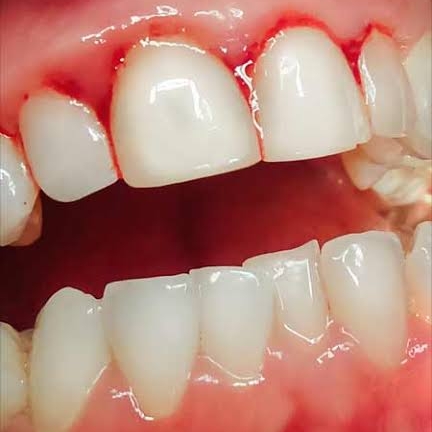
Bleeding gums can be a sign that you have or may develop gum disease. Ongoing gum bleeding may be due to plaque buildup on the teeth. It can also be a sign of a serious medical condition.
The main cause of bleeding gums is the buildup of plaque at the gum line. This will lead to a condition called gingivitis, or inflamed gums.
Plaque that is not removed will harden into tartar. This will lead to increased bleeding and a more advanced form of gum and jaw bone disease known as periodontitis.
Other causes of bleeding gums include:
-Any bleeding disorders
-Brushing too hard
-Hormonal changes during pregnancy
-Ill-fitting dentures or other dental appliances
-Improper flossing
-Infection, which can be either in a tooth or the gum
-Leukemia, a type of blood cancer
-Scurvy, a vitamin C deficiency
-Use of blood thinners
-Vitamin K deficiency
No oral health concerns means no need for an exam
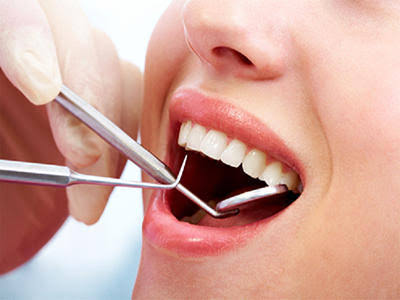
Why Dental Check Ups Are So Important
The problem we have is that many of us ignore the health of our mouth, especially when we compare it to our overall body health. We allow problems to develop before we actually visit the dentist.
There are a wide number of issues this creates but we have listed the two most common issues if left unchecked;
– Allowing Gums to Bleed
Allowing your gums to bleed helps create cavities and inflamed gums – pockets develop under the gum-line filled with bacteria that eat away the teeth and eventually the bone causing tooth loss. Visiting the dentist regularly can ensure your gum health is properly maintained and early treatment prevents serious problems developing.
– Tooth Pain
Tooth pain is most often caused from cavities forming. Once a cavity reaches the stage where it is causing pain then root canal treatment (or possibly tooth loss) is more likely, or an extensive filling. Regular check-ups ensure that the beginnings of a filling can be identified, treated and additional brushing routines created.
Overall dental check-ups will dramatically decrease the potential for all oral health problems becoming serious. They are also cost effective compared to paying for expensive major dental works such as tooth replacements, crowns and gum repair.
Semi-annual dental exams for adults and kids are the best way to maintain optimal oral health — so even if you don’t notice anything amiss, it’s best to still schedule routine dental checkups.
It’s time to prioritise your oral health. If you haven’t seen your dentist in a while use this article as a reminder and motivation to book an appointment today. The team at THE DENTAL HOUSE would be happy to meet you..
Visit THE DENTAL HOUSE, Your Dentist in Hubli, Karnataka

At The Dental House we know how important your teeth are and we work every day to help our patients improve, maintain and restore their smiles. Our goal is to provide exceptional patient care, in a calming and relaxed environment. Our practice is in Hubli and we take a holistic approach to dental treatment and post-care.
Book your Dental Appointment today, We look forward to meeting with you and helping with your oral health care needs.
 The Dental House Hubli
Leave a comment