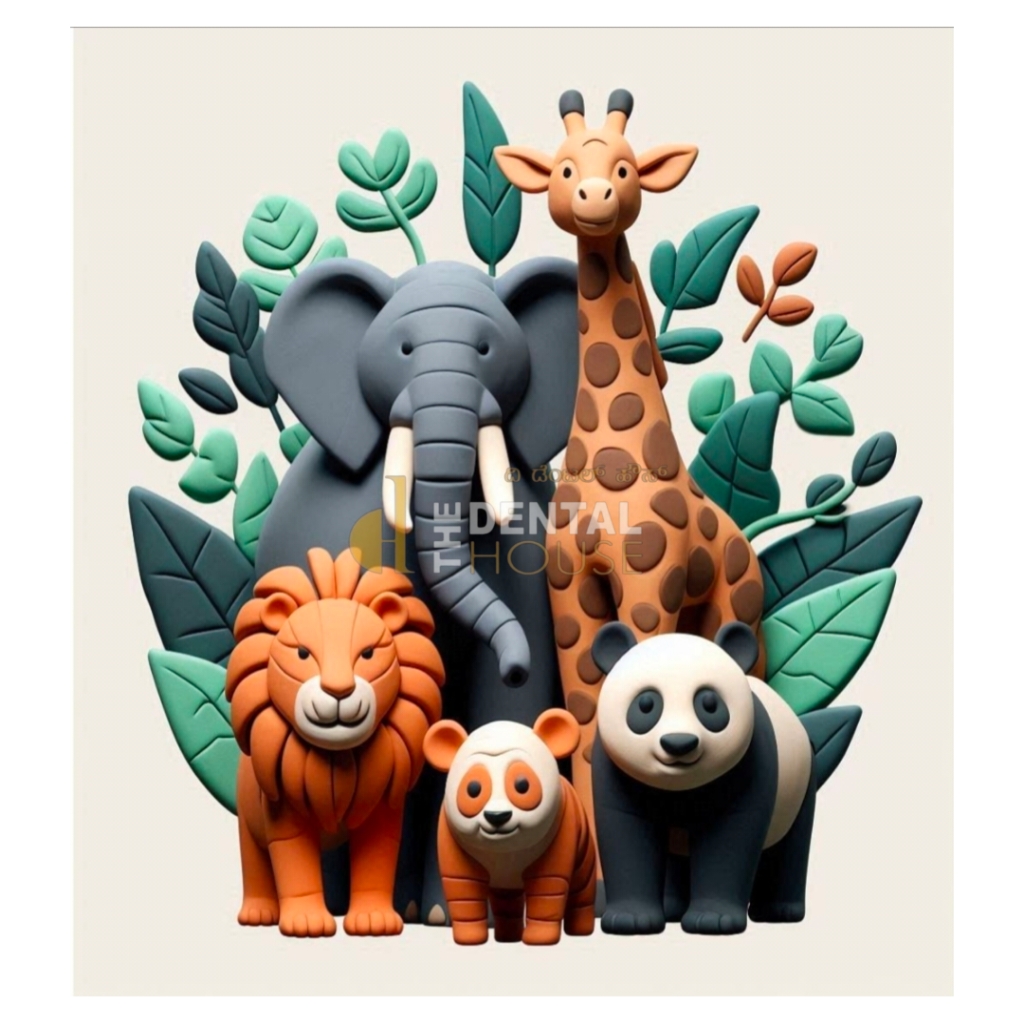
Animals have fascinating and diverse teeth adapted to their diets and lifestyles. Here are some interesting facts about animal teeth:
Snails: Believe it or not, snails have the most teeth of any animal. A garden snail has about 14,000 teeth arranged in rows on its tongue. Some species can have over 20,000 teeth! The teeth of an aquatic snail called the limpet are the strongest known biological material on Earth, even stronger than titanium
Dolphins: You can tell a dolphin’s age by its teeth. Just like trees, dolphin teeth have rings inside them that indicate their age. Interestingly, dolphins don’t use their teeth for chewing; they swallow their food whole.
Giraffes: Giraffes have no upper front teeth. They have 32 teeth, but most are positioned at the back of their mouths. They use their lips and long tongues to grab leaves and twigs and grind them up with their back teeth.
Sharks: Sharks constantly lose their teeth. Their teeth are arranged in rows and move forward as they lose them. Sharks can lose at least one tooth per week.
Snakes: Some have fangs that inject venom into their prey. These fangs are hollow and connected to venom glands.
“Witness the untamed beauty of nature’s dental wonders. 🐘🦷
Let’s continue…
Hippopotamuses: Hippos have the longest canine teeth of any animal. Their incisors can grow up to three feet long and are strong enough to bite through a small boat.
Narwhals: The “horn” of a narwhal is actually a tooth. It can grow longer than 8 feet and is used to sense the environment around them.
Blue Whales: Despite being the largest mammals, blue whales have no teeth. Instead, they have baleen plates that filter tiny shrimp called krill from the water.
Rodents: Animals like rabbits and squirrels have teeth that never stop growing. They need to chew on tough foods like nuts and bark to wear down their teeth and prevent them from growing too long.
Birds: While birds don’t have teeth like mammals, some have serrations on their beaks that help them grip their prey.
Elephants: Elephant tusks are actually modified incisors that replace their milk teeth. These tusks grow about 6.5 inches each year and are used for defense, digging, and carrying objects.
How animals clean their teeth???
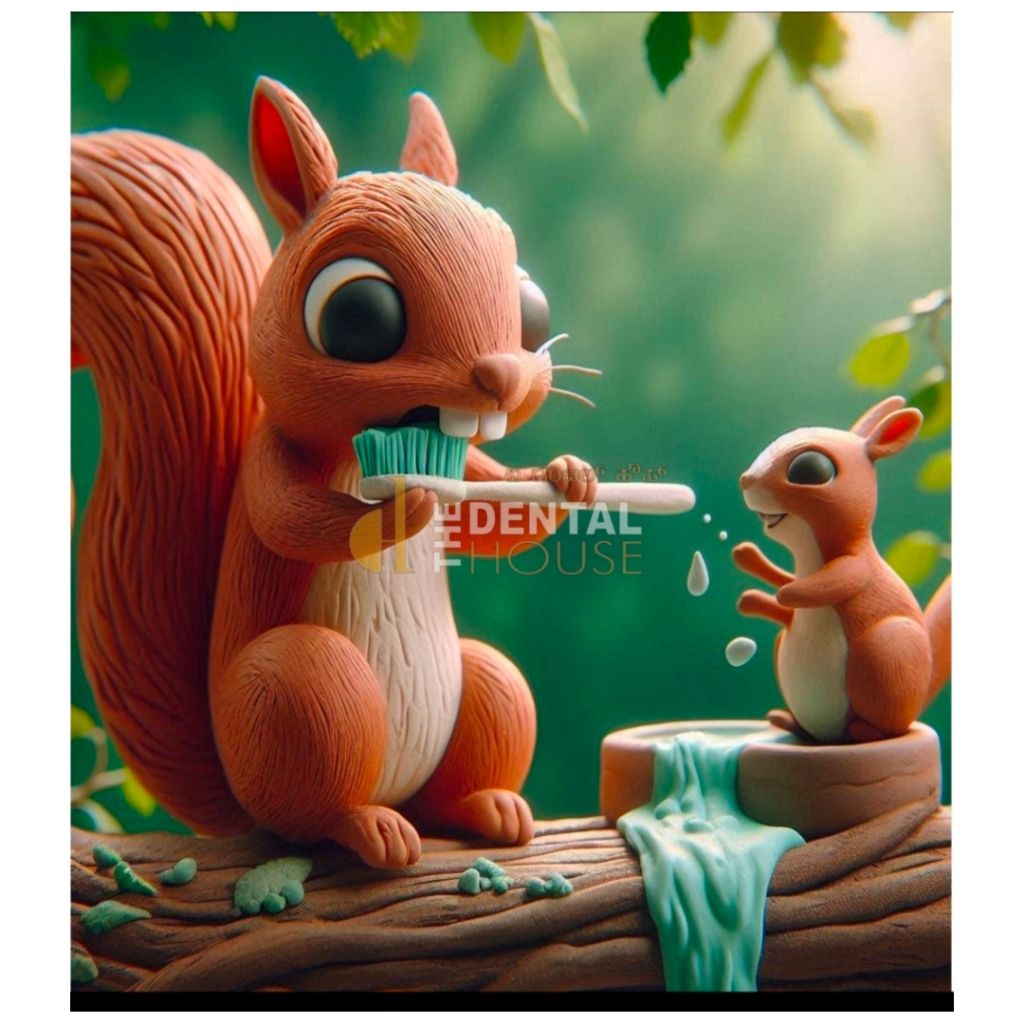
Animals have some unique and natural ways to keep their teeth clean:
Chewing: Many animals chew on tough foods or objects that help scrape off plaque and food particles. For example, wild dogs and wolves chew on bones, which helps clean their teeth.
Diet: Herbivores like deer and rabbits eat fibrous plants that naturally help clean their teeth as they chew.
Self-Cleaning: Some animals have self-cleaning mechanisms. For instance, cats use their rough tongues to clean their teeth and gums.
Mutual Grooming: Animals like primates often engage in mutual grooming, where they clean each other’s teeth and fur.
Natural Abrasives: Elephants use tree bark and branches, which act as natural abrasives to clean their teeth.
Behavioral Adaptations: Birds like parrots use their beaks to clean their teeth and remove debris.
I hope you found these facts as intriguing as I do!
Do you have a favorite animal from this list???
 The Dental House Hubli
Leave a comment